Resetting the Stress Response: How Clinical Acupuncture Calms the Overactive Nervous System

Dr. Chianni Lin, DAOM, L.Ac., Dipl. O.M.
Published · Reviewed
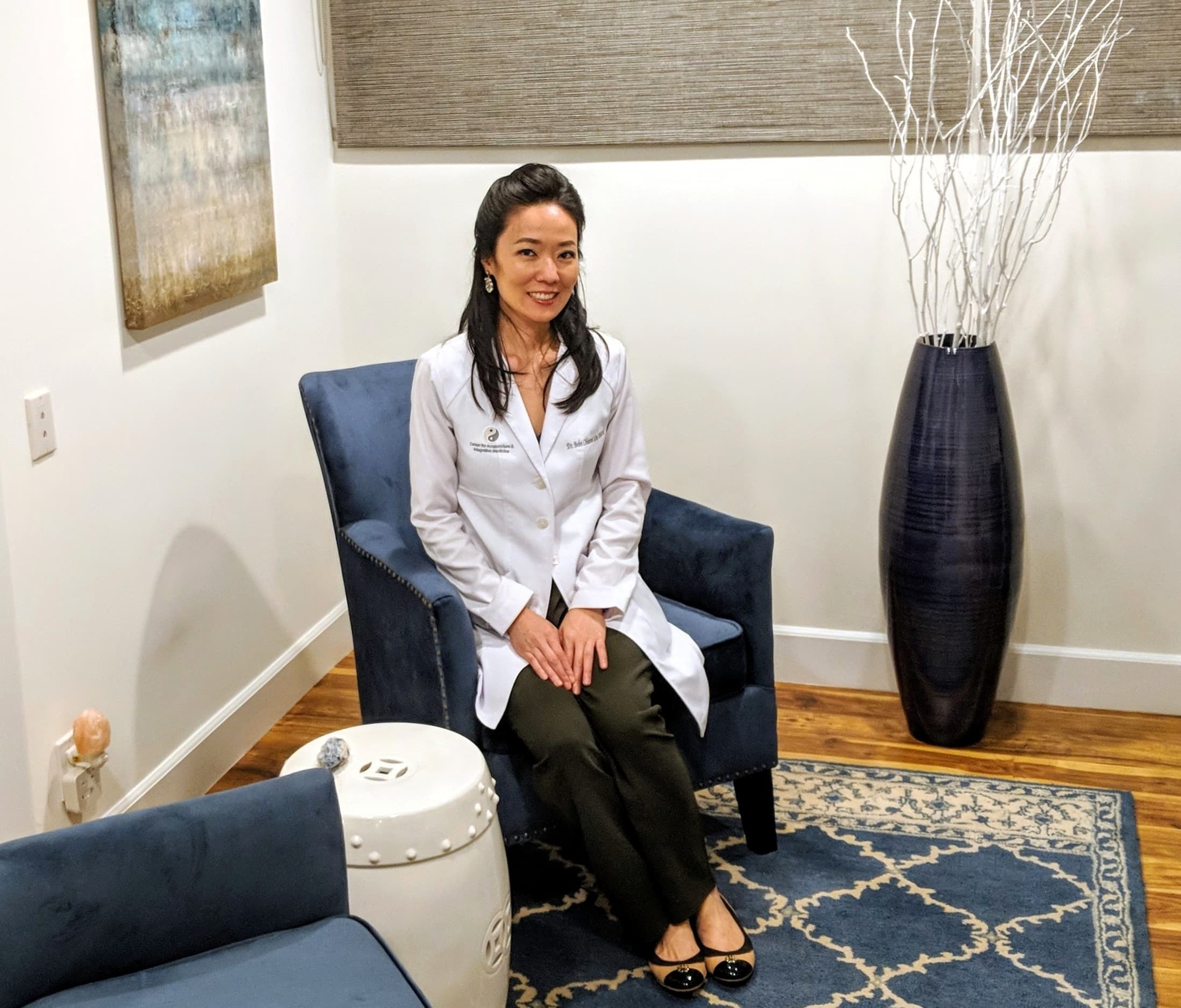
Part of our guide to Acupuncture for Stress and Anxiety.
In high-performance environments, chronic stress rarely remains a temporary challenge—it gradually becomes an autonomic health crisis. Daily deadlines, constant screen time, and systemic fatigue keep the nervous system locked in ongoing physiological tension. Over time, this state surfaces as elevated resting heart rates, shallow breathing, impaired digestion, tension headaches, and persistent mental burnout.
While chronic stress is often perceived as a mental hurdle, its physiological toll is somatic: an autonomic nervous system trapped in sympathetic overdrive. At the Center for Acupuncture & Anti-Aging Medicine in Santa Monica, Dr. Chianni Lin, DAOM utilizes clinical neuromodulating acupuncture to disrupt this cycle—signaling the body to transition out of prolonged fight-or-flight and into a state of restorative, parasympathetic equilibrium.
The Autonomic Nervous System: Fight-or-Flight vs. Rest-and-Digest
To understand how treatment resets systemic tension, it helps to examine the autonomic nervous system (ANS), which governs involuntary physiological processes including heart rate, digestion, respiration, and vascular tone:
- The Sympathetic Nervous System (SNS): The body's survival engine. When activated by perceived pressure or constant deadlines, the SNS floods the bloodstream with cortisol and adrenaline. Heart rate accelerates and blood pressure rises, while restorative functions—such as cellular repair, digestive enzyme secretion, and reproductive hormone balance—are temporarily suppressed.
- The Parasympathetic Nervous System (PNS): The innate "rest, digest, and heal" mechanism. The PNS slows resting heart rate, restores gastrointestinal motility, reduces systemic inflammatory cascades, and promotes cellular tissue repair.
While the sympathetic response is vital for acute survival, staying in constant fight-or-flight exhausts vital reserves. In Traditional Chinese Medicine (TCM), prolonged stress depletes foundational Kidney Yin and stagnates Liver Qi, manifesting as insomnia, jaw tension (TMJ), chronic anxiety, and digestive irregularity.
The Vagus Nerve: The Master Switch for Systemic Balance
At the center of parasympathetic function is the vagus nerve. As the tenth cranial nerve, it is the longest and most complex nerve in the body, running from the brainstem down through the neck, heart, lungs, and gastrointestinal tract.
The vagus nerve serves as the primary communication conduit between the brain and internal organs. When vagal tone—the strength and reactivity of vagal nerve signaling—is robust, your physiology recovers rapidly from acute stressors. Conversely, poor vagal tone is clinically linked to chronic inflammation, anxiety disorders, heart palpitations, and gastrointestinal distress. Stimulating the vagus nerve signals the cardiovascular system to ease and instructs the digestive tract to resume normal peristalsis.
How Clinical Acupuncture Calms Neurological Overdrive
Acupuncture provides a direct somatic interface with your central nervous system. By inserting hair-thin, sterile needles into specific neurovascular sites, treatment stimulates peripheral sensory nerve endings that transmit signals through the spinal cord directly to the brain.
During a clinical session with Dr. Lin, this neuromodulation triggers three key physiological shifts:
1. Down-Regulation of the Limbic System & Amygdala
Functional MRI (fMRI) neuroimaging demonstrates that targeted needle placement down-regulates hyperactivity in the amygdala—the brain's fear and emotional threat center. Simultaneously, it enhances vagal output, moving the body from sympathetic overdrive into parasympathetic dominance. Patients feel this shift as a wave of deep physical stillness, accompanied by slower breathing and a release of neuromuscular guarding.
2. Endogenous Neurochemical Release
Needle stimulation prompts the release of endogenous opioids (endorphins) and calming neurotransmitters such as serotonin and gamma-aminobutyric acid (GABA). GABA acts as the central nervous system's primary inhibitory neurotransmitter, quieting racing mental chatter and easing physical agitation.
3. Suppression of Stress-Induced Inflammation
Prolonged sympathetic activation elevates circulating pro-inflammatory cytokines. By activating the cholinergic anti-inflammatory pathway via the vagus nerve, acupuncture lowers systemic inflammatory biomarkers, offering tangible relief for stress-related gut flare-ups (IBS), tension headaches, and neck and shoulder tightness.
What to Expect During a Session: The "Acupuncture Nap"
For individuals accustomed to relentless pressure, entering a true parasympathetic state can be deeply transformative. In Dr. Lin's Santa Monica sanctuary, stress-management protocols incorporate master acupoints on the ears (auricular branches), wrists, lower legs, and head.
Within 10 to 15 minutes of point placement, patients typically slip into what is known as the "acupuncture nap"—a restorative, hypnagogic state between waking and sleep:
- Heart Rate Deceleration & Increased HRV: Resting pulse slows and heart rate variability (HRV) improves—an objective clinical marker of healthy vagal tone.
- Warmth in the Extremities: Vasoconstriction softens, allowing peripheral microcirculation to return to cold hands and feet.
- Digestive Rumbling: Audible stomach gurgling indicates that digestive blood flow has resumed as sympathetic suppression lifts.
Restoring Resilience Over Time
While a single 60-minute treatment delivers immediate decompression, sustained resilience requires cumulative care. By repeatedly guiding the body into a parasympathetic state, acupuncture retrains the autonomic baseline, helping you handle daily demands with greater equanimity.
- For Situational Stress & Burnout: A focused series of weekly sessions helps clear residual tension and restore restful sleep patterns.
- For Multi-System Depletion: When stress has evolved into chronic insomnia, digestive disorders, and systemic exhaustion, Dr. Lin's 10-Week Health Restoration Program combines weekly physician-led acupuncture, custom Chinese herbal adaptogens, and restorative movement coaching for a complete nervous system reset.
As one of our patients clearly outlined in her Google review, our Center is a unique experience that calms the nervous system.
"Dr. Lin exudes a calm and composed demeanor, coupled with a thorough and extensive level of expertise. Her office is characterized by its tranquility, cleanliness, and soothing ambiance, which facilitates a complete sense of relaxation during our sessions. I consistently emerge from each appointment feeling more at ease and balanced."
Li R.
Frequently Asked Questions
How does acupuncture stimulate the vagus nerve without needles in the neck?
The vagus nerve connects to an extensive network of peripheral pathways throughout the body. Certain anatomical zones—notably the auricular branch of the vagus nerve in the outer ear, as well as master distal points on the lower legs and forearms—have high densities of neurovascular bundles. Micro-fine needle stimulation at these sites triggers an autonomic reflex arc to the brainstem, enhancing vagal tone safely without direct intervention near the neck or carotid artery.
How many sessions are recommended for chronic stress and burnout?
Most patients feel a noticeable drop in muscle tension, slower breathing, and improved sleep quality from their very first visit. However, resetting an autonomic nervous system that has been stuck in fight-or-flight for months or years is a cumulative process. A structured initial series of 4 to 6 weekly sessions is typically recommended to retrain your baseline, while complex, multi-system burnout thrives within our 10-Week Program.
Why does my stomach gurgle during an acupuncture treatment?
Stomach rumbling during treatment is a reliable clinical sign that your nervous system is shifting into the parasympathetic state. Under sympathetic stress, digestion is suppressed and visceral blood flow constricts. As needle stimulation activates the vagus nerve, circulation returns to the gastrointestinal tract and digestive motility resumes, producing audible sounds as the gut comes back online.
Is acupuncture safe to receive alongside prescription anxiety medications?
Yes. Clinical acupuncture is a non-pharmacological, biological therapy that integrates safely alongside conventional psychiatric medications, counseling, and psychotherapy. Because treatment works through natural neurochemical modulation and autonomic reflexes, there are no negative drug interactions. Down-regulating physical symptoms—such as chest tightness and racing pulse—frequently enhances the benefits of psychological therapy.
How is Dr. Lin's approach to stress relief different from a standard clinic?
At our Santa Monica sanctuary, care is strictly private, physician-led, and unhurried. Dr. Chianni Lin holds a Doctorate of Acupuncture and Oriental Medicine (DAOM) and brings an authentic multi-generational Taiwanese lineage alongside master-level training in restorative movement and yoga. Rather than applying generic needle protocols, she maps your whole-body health history to treat the physiological source of your depletion.
Experience Unhurried Care in Santa Monica
If chronic stress, mental fatigue, or physical tension are impacting your daily performance, step away from the noise and restore your inner equilibrium.
Center for Acupuncture & Anti-Aging Medicine 2222 Santa Monica Blvd, Suite 203, Santa Monica, CA Direct Office: (310) 310-8659
Read the full guide
This article is one part of a longer piece covering the protocol, the evidence, costs, and the questions patients ask before booking.
Acupuncture for Stress and Anxiety